

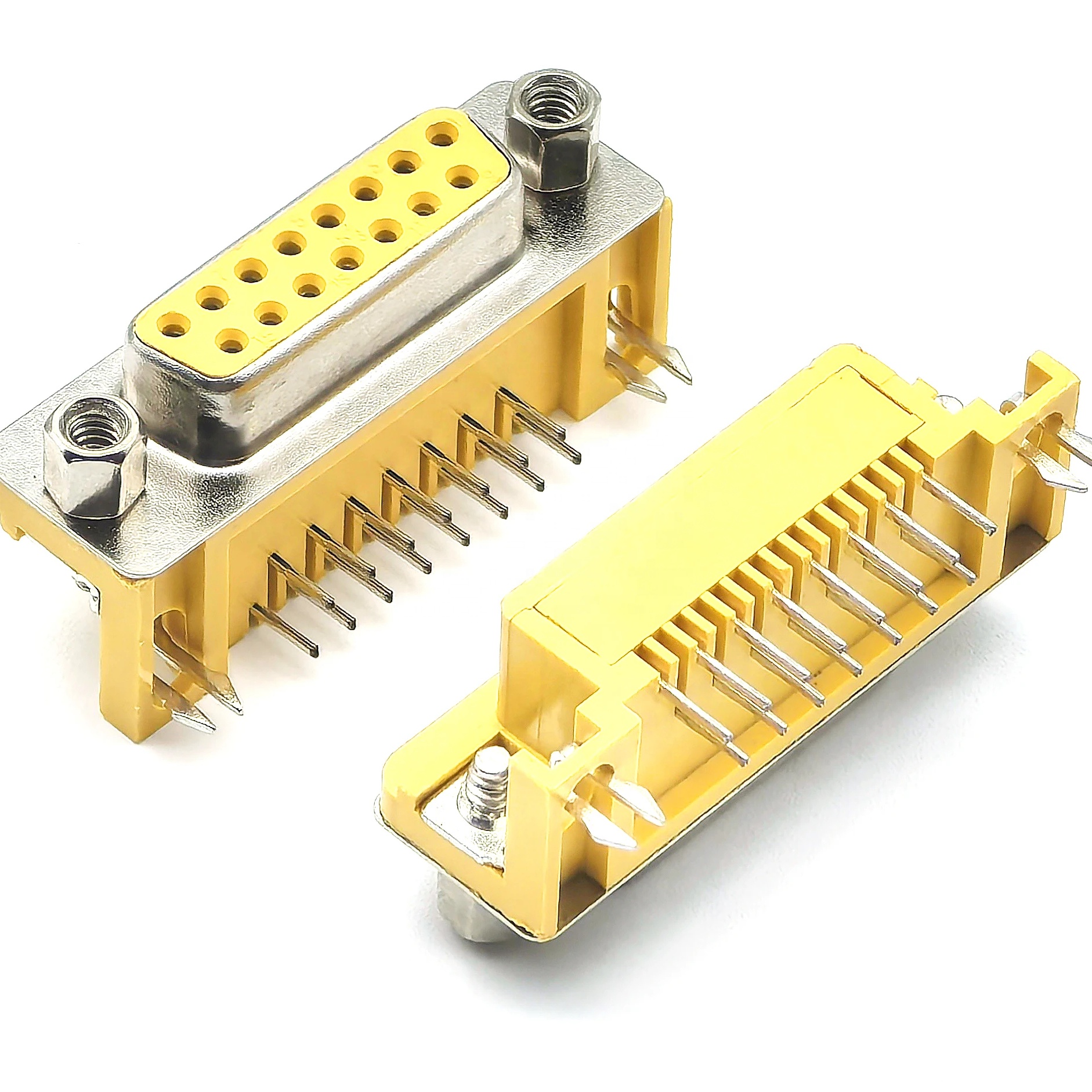
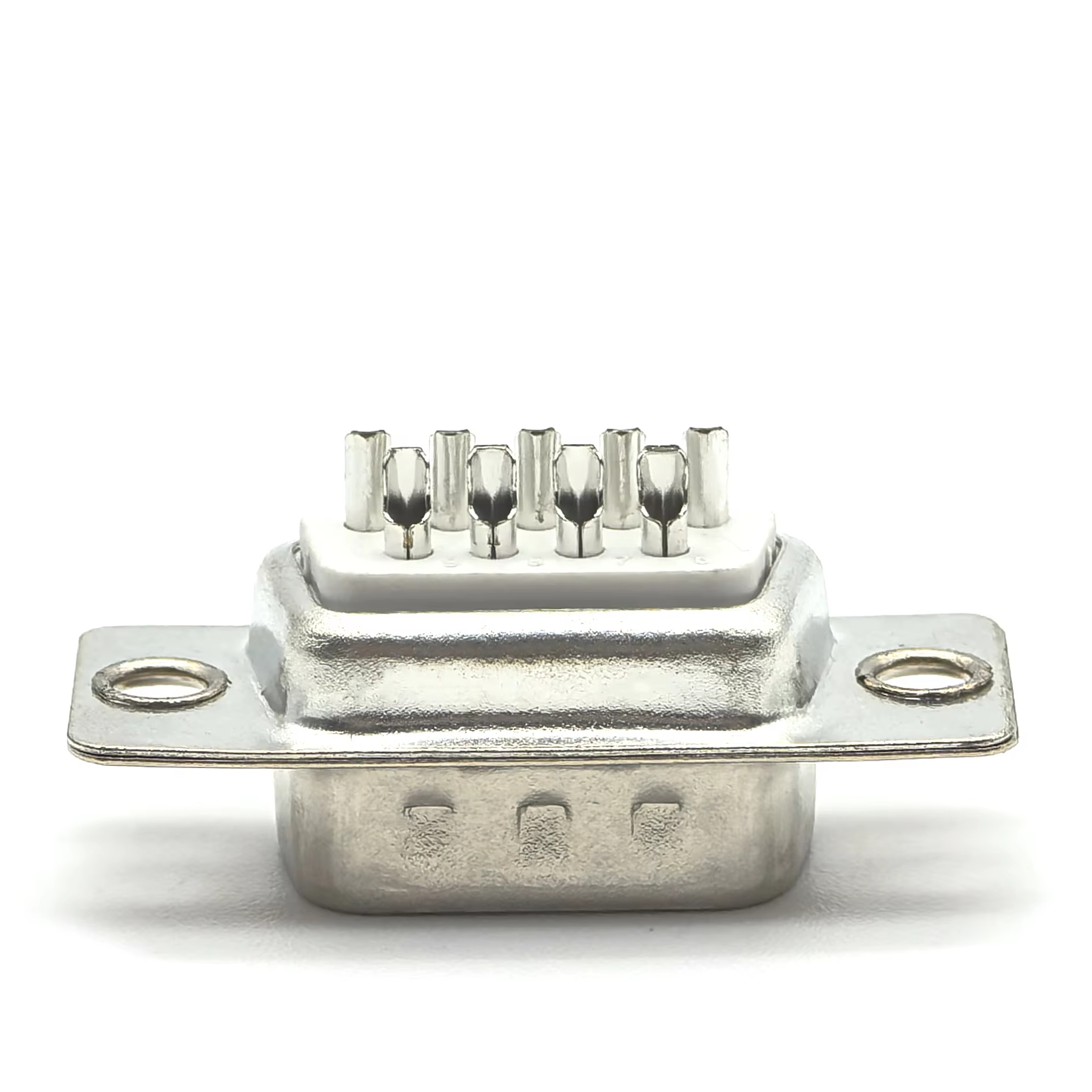
Limited I/O capabilities can severely bottleneck a computing device's performance. For years, the D-Sub connector—in its 15 and 25-pin versions—provided a robust solution for sufficient data rates to peripherals. Originating from military applications, these robust connectors feature reliable pin-and-socket contacts and sturdy housing. Their subsequent adaptation into commercial versions, including the solder type D-Sub connector and the waterproof D-Sub connector, made them a practical consumer standard, widely used in video and computer accessories.
As data demands surged from kilobits to megabits, and physical space for ports shrunk, a new interface was needed. This led to the introduction of USB in 1996. A major advantage of USB is its ability to simultaneously transmit both power and signals, enabling remote devices to operate without an external power source. Its hot-plug capability was another key feature.
The USB-IF organization has continually driven the standard forward. The USB4 specification, released in September 2019, maintains the Type-C interface but integrates Intel's Thunderbolt 3 technology, enabling blistering 40 Gb/s transfer rates. USB4 preserves backward compatibility and consolidates protocols like USB 3.2, DisplayPort, and Thunderbolt 3, simplifying connectivity for a new generation of devices expected from 2021 onward. This commitment to upgrades ensures USB continues to play a critical role in next-generation device design.