

On a PCB, the female header serves as a critical connector, acting as a bridge to link otherwise isolated circuits and ensuring the transmission of current or signals.
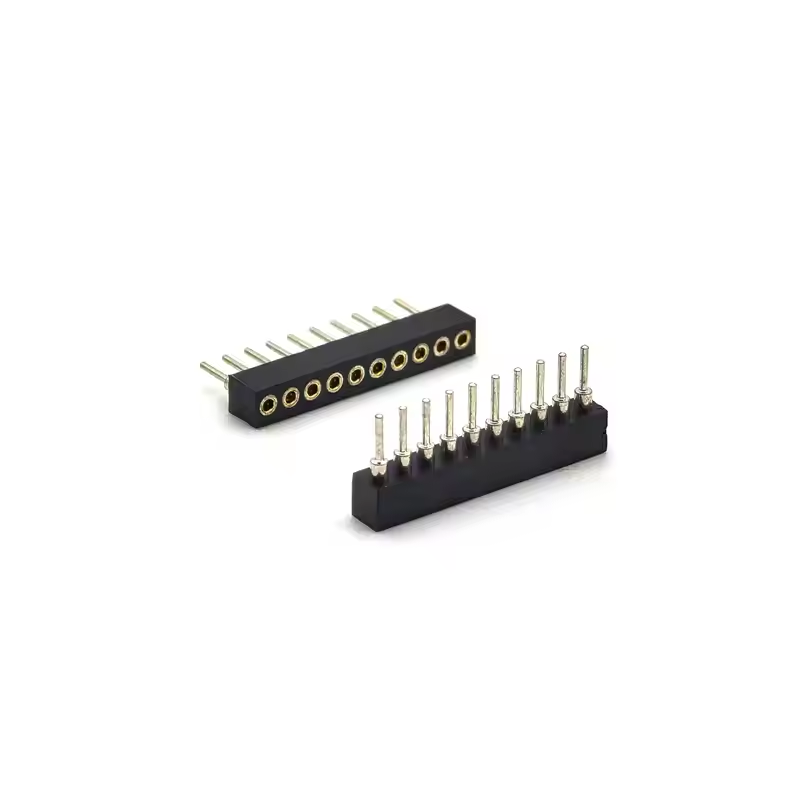
Female headers are widely used in PCBs across electronics, appliances, and instruments. They are typically paired with a pin header for board-to-board connections, or with wire harnesses for board-to-wire connections.Their role extends beyond simple transmission; they provide a convenient and stable electrical interface,enhancing circuit reliability.
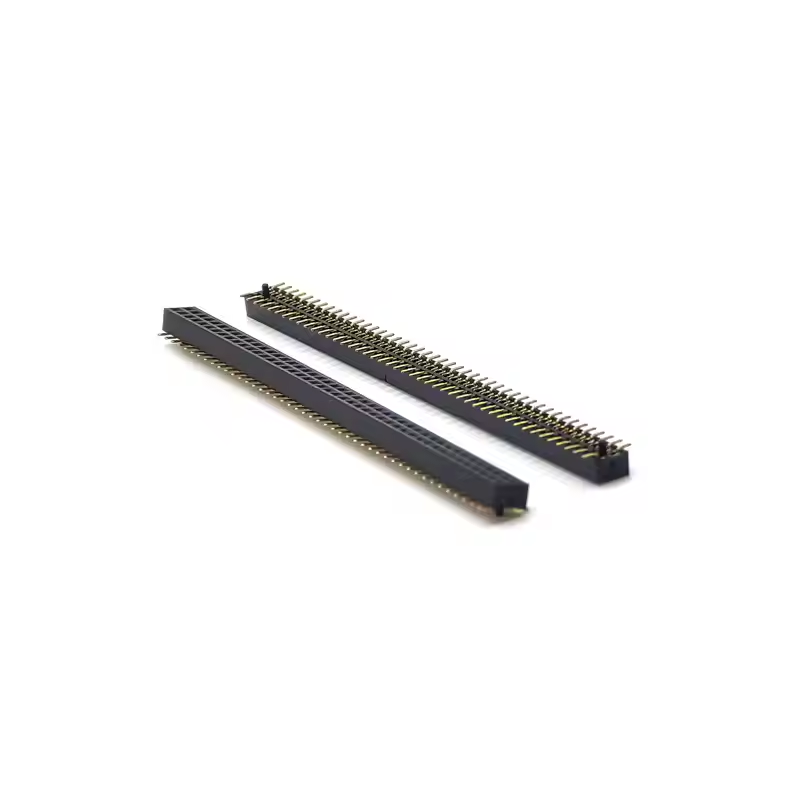
These connectors come in various types, including through-hole and SMT (Surface Mount Technology).Through-hole female headers offer robust,reliable connections but require more space. SMT female headers are compact,saving valuable PCB real estate,though their mechanical strength is generally lower than through-hole types.
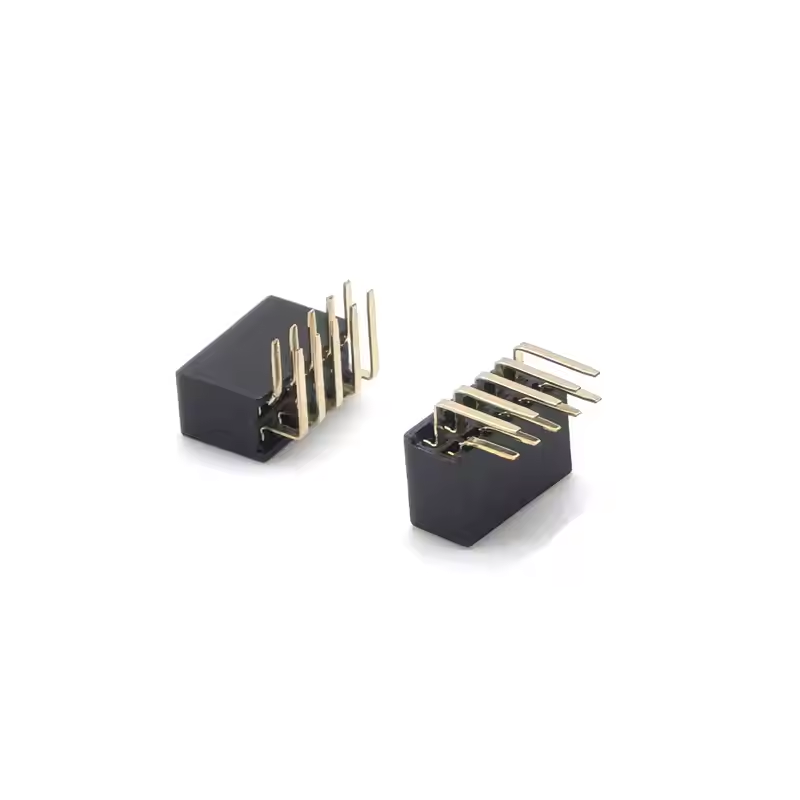
Common pitch specifications include the universal 2.54mm female header,as well as the 2.0mm female header, 1.27mm female header,and 1.0mm female header for high-density applications.This versatility makes them essential components in electronic, communication, computer, and even aerospace equipment.