

To meet diverse design and application needs, Board-to-Board Connectors come with several connection methods. Each offers unique advantages based on stability, ease of use, and environmental demands. Here are the four most common types:
1. Plug-in Connection
This is the most widely used method, where the plug and socket are fixed on separate boards. It allows for simple insertion and removal, making it ideal for devices requiring frequent maintenance. However, repeated use can cause wear, especially in smaller pitch types like 0.8mm Board-to-Board Connectors.
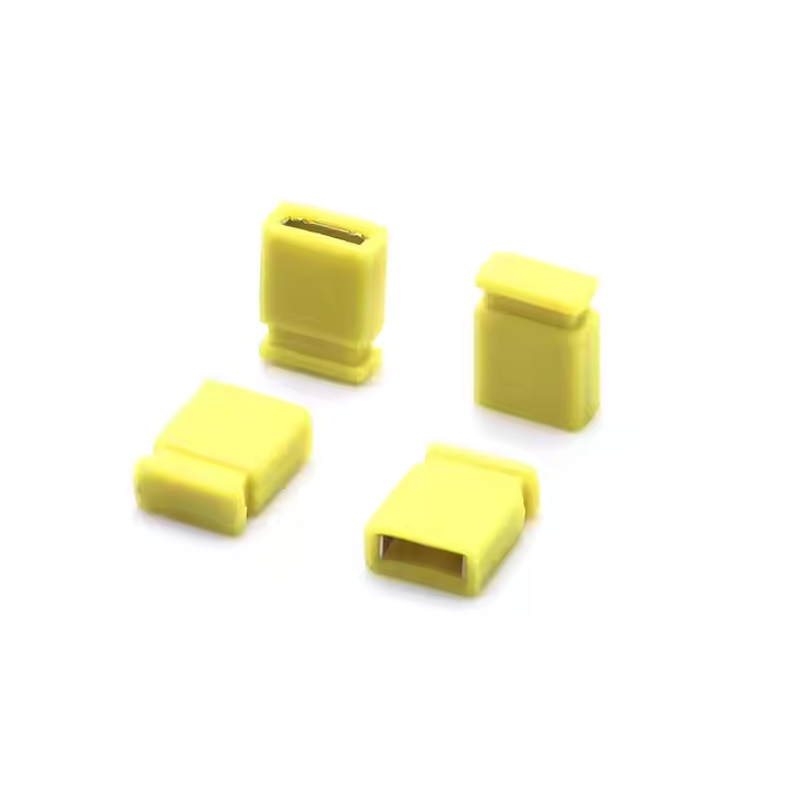
2. Mechanical Connection
Using screws or other fasteners, this method provides superior vibration resistance and mechanical stability. Though it requires tools and more time to assemble, it's well-suited for environments with high mechanical stress.
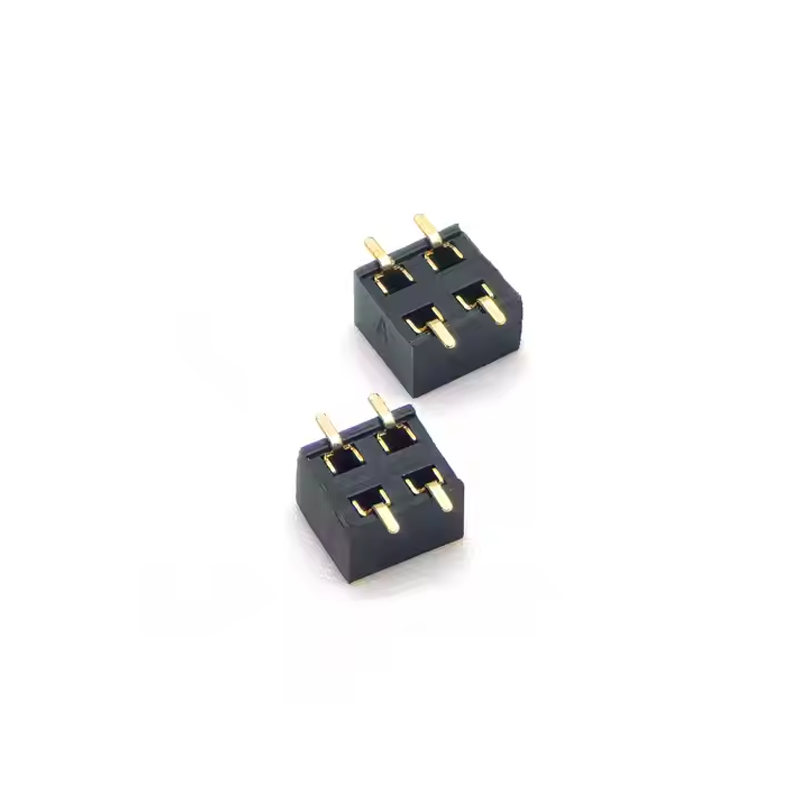
3. Soldering Connection
In this method, electrical contacts are permanently joined to the PCB by soldering. It offers a highly reliable and secure connection, particularly for pcb board to board connectors used in mission-critical applications. However, it demands skilled labor and precise tools.
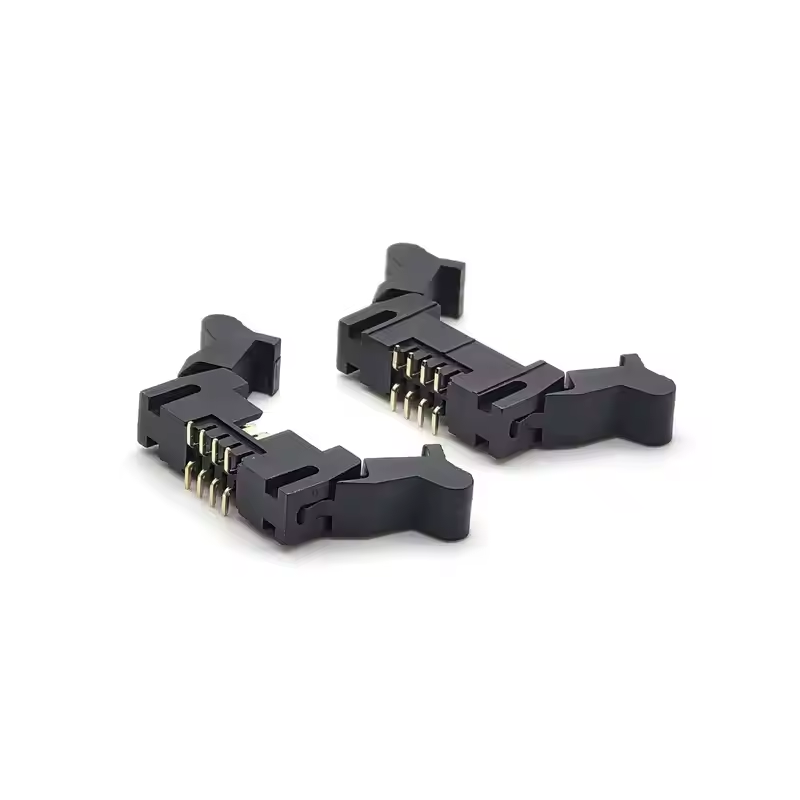
4. Bayonet (Twist-Lock) Connection
Quick and efficient, bayonet connections use a locking mechanism to secure the connector. It enables fast engagement and disengagement, useful in modular systems. However, over time, the lock may loosen, reducing connection stability.
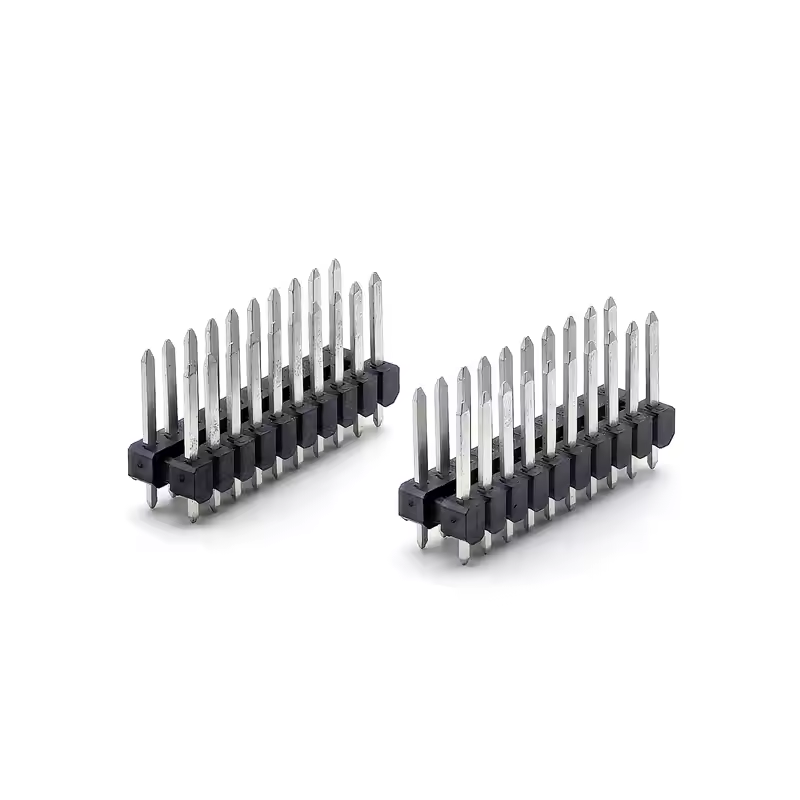
Whether selecting an smt board to board connector or a high-precision solution for compact electronics, the choice of connection method greatly impacts reliability and usability. At YZTECH, we offer tailored board-to-board connector solutions across all connection types and pitch sizes to meet your application needs.
Not sure which connection method suits your design? Reach out to YZTECH for expert advice and professional connector support.